
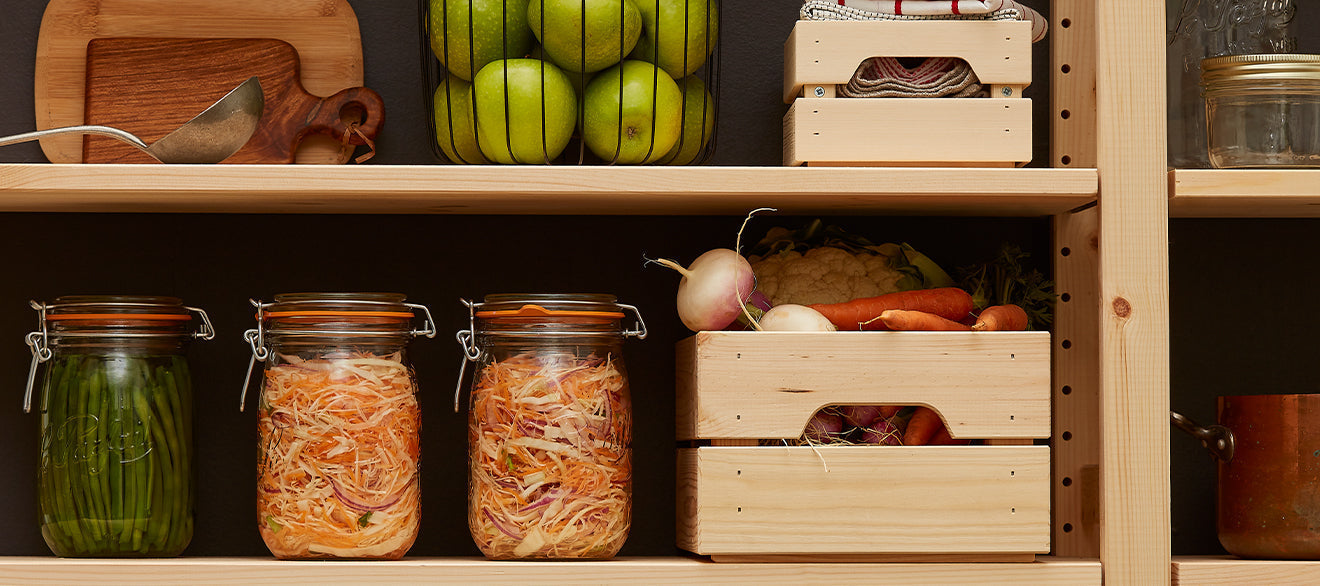
Fermentation, does that speak to you? This millennial food conservation method is much more than a simple process: it is at the heart of many culinary traditions around the world. Affinated cheeses, wines rich in aromas, crisp breads, creamy yogurts, fermented soybeans, spicy kimchi or craft beer ... All these delights owe their unique taste to the magical action of microorganisms-yeasts, bacteria, mushrooms-which transform the ingredients.
Want to unravel the secrets of fermentation and discover all its authentic flavors? We guide you step by step to master this fascinating technique and savor foods as good for health as for taste buds!
The b.a-ba of fermentation
No need to be a starred chef to master the art of fermentation! This natural process is based on microorganisms already present, especially on vegetables. You just have to offer them an ideal environment for the precious lactic acids to develop. With a little rigor, very clean jars, a hint of elbow oil and some basic ingredients, you are ready to create your own homemade fermentations, full of flavors and benefits.
Small precautions for use in 7 steps
1/7
Prepare your jars LE PARFAIT
Make sure that all surfaces do not have chips, traces of abrasion or glued residues. Clean the jars with hot soapy water. Avoid shock between the jars. Do not use a metal or abrasive sponge to clean your jars. After cleaning, rinse your jars with hot water abundantly, then let it dry in the open air.
2/7
Prepare your vegetables
Opt for organic or cultivated vegetables without pesticides and if they have no soil on them, a simple fresh water will be enough. Above all, do not rinse them with an antibacterial product, because as we told you above, the microorganisms present on the vegetables are essential! Some vegetables, with thick skin can also be peeled!
3/7
Choose the right jar and the right size
The perfect jar for perfect fermentation is a jar Le Parfait Super, suitable for the amount of vegetables. Indeed, for a successful canned preserver, it is important to fill your jar up to 2cm from the lid. Below this, your fermentation may not take and that mold develop.
4/7
At each vegetable, his method
For vegetables rich in water, such as zucchini, we favor a fine cut (julienne, grated, etc.) and we treat them with salt. The vegetables less rich in water, the vegetables to be fermented whole or in large pieces, are treated in brine.
5/7
The right proportions
The basic rule is to respect a proportion of salt of 1 % on the entire preparation (that is to say, vegetables + water). On the palate, it should not be too salty, therefore. In the event that only salt is used, the right ratio is 10g of salt per kilo of vegetables.
If you brood (a mixture of water and salt), the right ratio is 30g of salt per liter of water. Minute Science: What is salt for? In addition to bringing out vegetable juice and keeping their crunchy, it is also a super pathogens inhibitor.
6/7
The temperature
The ferments, like us, are better under mild temperatures. We therefore favor an ambient temperature, which does not descend within 20 ° the first days. So, once the process has started (when your jar starts to sing*) it can be placed in a cooler place.
Marie-Claire Frédéric, author of the essential blog Neither raw nor cooked, an expert in fermentation and owner of the Suri restaurant, also advises not to put them in the fridge: "Because the taste result depends on the conservation temperature. The warmer the greater it will be (even acidic if it is very hot) and the taste more pronounced. For delicate flavors, the ideal is to leave at the temperature of a cellar: between 12 and 15 ° C ".
But if you notice that fermentation goes too fast, or if you want to stop it at a specific stage (question of taste) you can of course offer them a small stay in the fridge.
* Yes you read that right, the jars sing. Finally rather they whistle, at the rubber level. It’s completely normal and even pretty good sign! After one or two days, the liquid is disturbed a little and becomes effervescent; A white or greyish deposit may appear. Nothing worrying, it is simply the dead yeasts that are deposited at the bottom of the jar.
7/7
Patience is mother of tasty products
Be careful, we do not open his jar during the fermentation process! To taste it, you have to wait at least 16 days (manufacturing day + 2 weeks) except contraindication in the recipe. But as a rule, 4 to 6 weeks allow you to obtain an optimal taste result. After that, if you want to keep your jars closed for a long time (sometimes up to years) we place them in the fridge, in a cellar for example and out of light.
And for impatient taste buds, after the minimum period of 16 days, you can open and taste!
To find out if the fermentation is successful, it's very simple: no bad smell = good sign. If a really unpleasant odor comes to tickle your nostrils, it is to be done again and not to eat. Otherwise you are good for new delights! And, if you don't get clogged at first, place your jars in the fridge between +4 to +6 ° C. To make vegetables enjoy their brine bath, you can also use a weight!
Find all our fermentation recipes here!
Discover the instructions for user manual
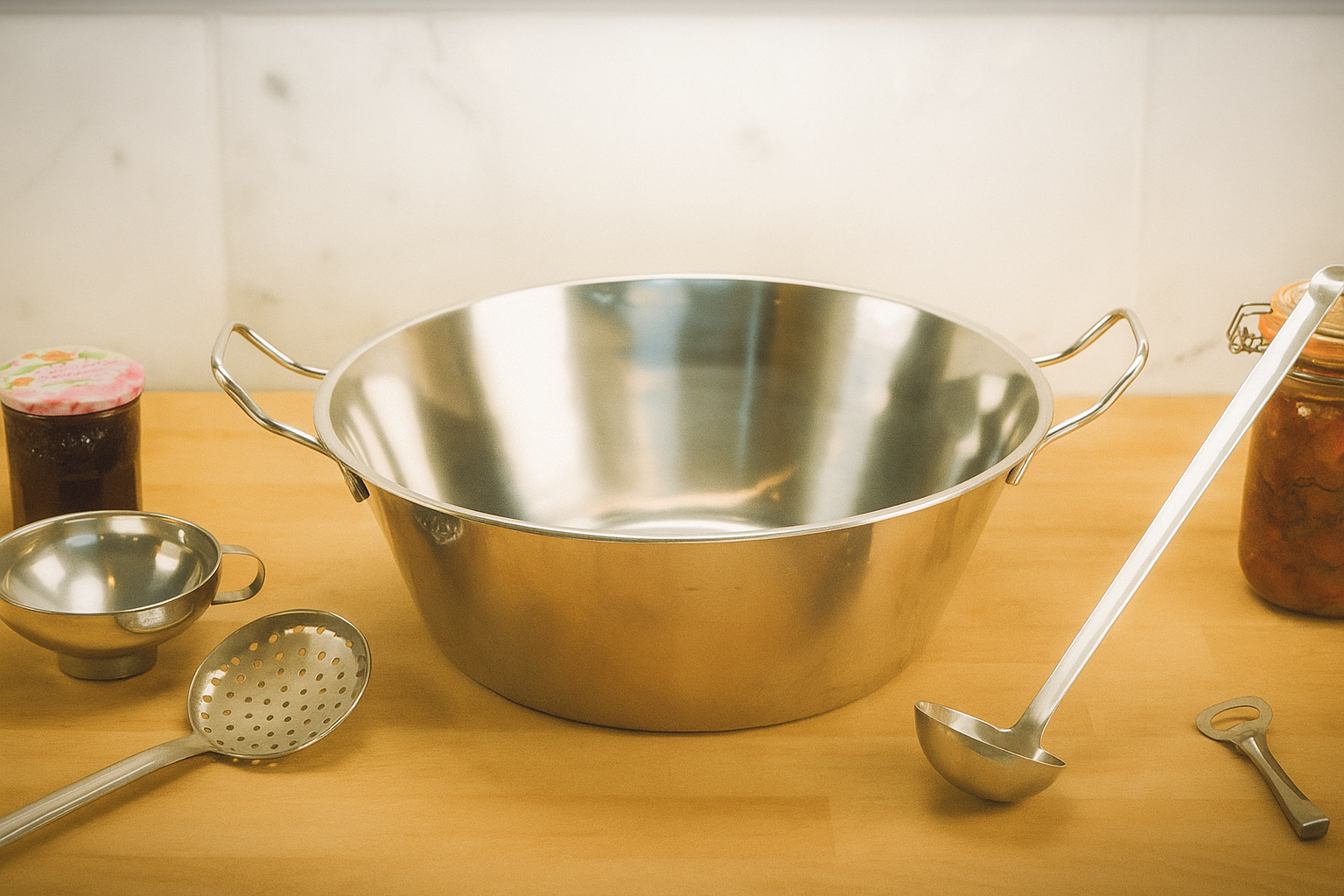
Maintenance of your stainless steel products - tips Le Parfait ®
Extend the life of your stainless steel products thanks to the practical and simple advice of Le Parfait ® !Stainless steel is beautiful, it's solid, but you still have to take care of it so that it keeps its brilliance....
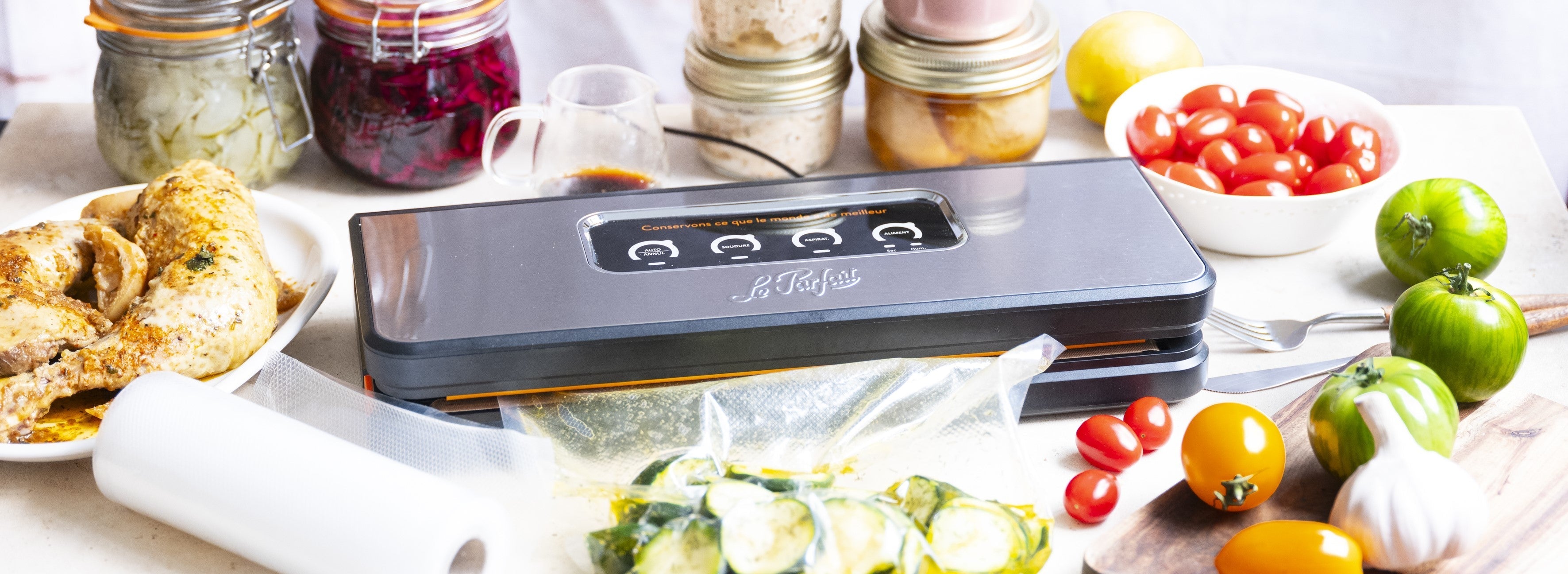
Conservation in Sub-video bags or rollers: user manual
Under -ned is an effective method for extending food storage time. There are two main methods of under-commitment: in embossed bags/rolls of film or jars, thanks to suitable covers. However, to guarantee food security, it is crucial to respect certain basic...
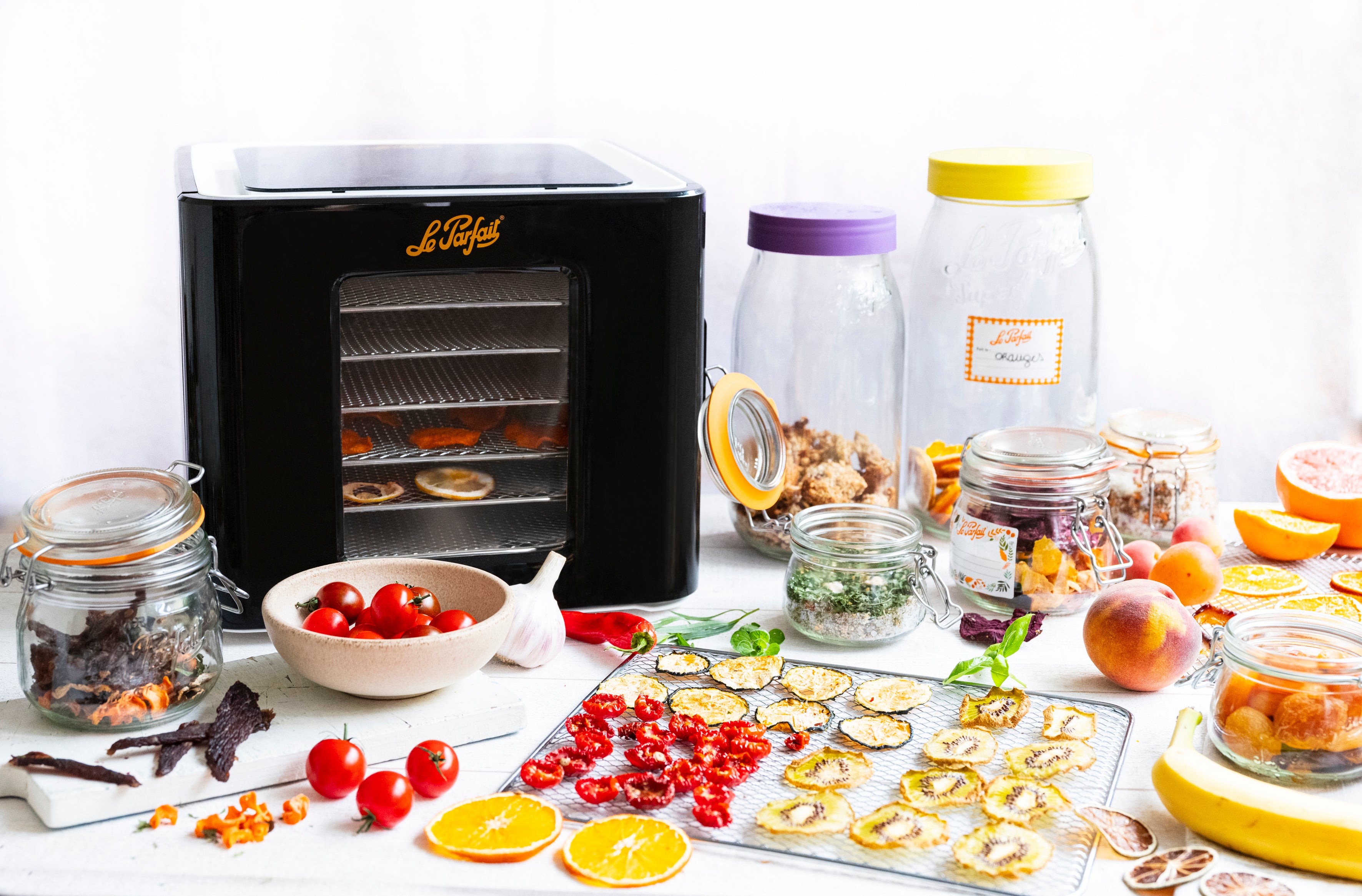
Embark on dehydration: user manual
Ancestral conservation method, dehydration helps keep fruits, vegetables and other foodstuffs between 6 and 12 months, while preserving their nutritional quality Thanks to a low -temperature drying process. If you want to discover all the advantages of this method, find...