

Who has never found themselves very deprived when the desire to snack healthy came? With your homemade fruit leathers, no more industrial snacks full of preservatives and added sugars. Make way for fruity, natural and delicious rolls that make the taste buds and body smile. Fruit, a dehydrator, a little know-how: that's all you need to transform your pantry into a snacking paradise.
The fruit leathers dehydrator are the perfect alternative to store-bought candies: 100% fruit, zero additives, and so good that we wonder why we didn't start sooner. But obtaining supple, non-sticky and well-preserved leather cannot be improvised! In this ultra-complete guide, we reveal all the key steps for consistent results.
Fruit or vegetable leathers: where to start?
Both are excellent, no jealousy! But if you're new to the wonderful world of dehydration, fruit leathers will be your best allies. For what ? Their natural sugar content makes them easier to roll and more flexible to work with. Vegetable leathers, as delicious as they are, require a little more skill to achieve the perfect texture.
In short, we start at beginner level, and then move on to expert level. Although the stages differ little between them, the natural composition of the fruits makes all the difference. They will forgive you more for your small approximations!
1. Choosing the right fruits: the basis of everything
First golden rule in the art of dehydrated fruit leather: perfectly ripe fruit, which have seen the sun and developed their aromas. The tastier your fruit is initially, the more explosively flavorful your leather will be. Dehydration is like an amplifier: it concentrates everything, the good and the bland.
The importance of pectin (that thing no one ever talks about)
All fruits are not equal when it comes to dehydrator. Their pectin, water and natural sugar content will play spoilsport or spoiler for your final texture.
Pectin plays a crucial role in the maintenance of your leather. Without it, head for crumbly, grainy leather, the kind you put in the back of the closet and forget about.
Pectin champions (firm texture guaranteed):
-
Apples
-
Bananas
-
Mangoes
-
Quinces
The dunces (risk of brittle texture):
-
Strawberries
-
Cherries
-
Pears
Our pro tip : combine the two categories! An apple base with strawberries, and presto, you get the winning combo of solid texture + bright flavor. It’s beautiful, it’s good, and it lasts!
2. To cook or not to cook: that is the question
Good news: you don't have to take out the pan! But steam cooking has some significant advantages for successful fruit leathers:
-
It reduces humidity (less time at dehydrator)
-
It activates natural pectin
-
It concentrates the flavors
Our recommendation : steam cooking for fruits low in pectin such as strawberries, cherries or pears. Apples and bananas can stay natural, these rebels.
The little extra : even for raw fruits, gently heat the puree for 2 to 3 minutes. This improves the final texture and avoids air bubbles. Nobody likes a gruyere-style fruit leather, right?
3. Obtain an ultra-smooth mash: non-negotiable
Do you want fruit leather worthy of the name? You need a puree perfectly smooth. No pieces, no stubborn fibers lying around. Otherwise? Anarchic drying, cracks everywhere, and leather that breaks at the first fold.
The secret : mix for a long time, as if your life depended on it, then pass through a sieve to remove all remaining impurities and fibers. Yes, it's one more step. Yes, it's worth it for an impeccable result.
4. Add acidity: the vitamin boost
A drizzle of lemon juice (1 to 2 teaspoons for 500 g of puree), and magic:
-
Your colors remain vibrant (bye-bye oxidation)
-
The flavors wake up with a start
-
Conservation is improving
Caution : too much lemon can make your leather too "hard" after drying. So, even in cooking, moderation is good.
5. Managing sugar content: the art of sweetness
This is why it is essential to choose ripe and naturally sweet fruits : you avoid added sugar and create 100% natural snacks! Sugar traps moisture and can turn your beautiful leather into giant Post-it notes that stick to your fingers.
If your puree really lacks sweetness, choose:
-
Agave syrup
-
Maple syrup
-
Mixed dates
-
Smashed banana
And ban powder sugar from your fruit leather recipe.
6. Finding the right thickness: the delicate art of spreading
Surely the most delicate step of all the preparation. Too thin and your leather will be brittle like chips. Too thick and the center will stay moist, hello mold.
The golden rule : 2 to 3 mm maximum thickness, distributed evenly over the entire surface of your plate. Yes, we can already see you with your spatula aiming for perfection down to the millimeter. That's exactly it!
Use parchment paper or a non-stick silicone mat to spread your fruity masterpiece.
7. Dehydration: patience is the mother of delight
You will have to be patient... In order not to caramelize the sugars (and lose flexibility) and to avoid the leather being cooked only on the surface, dehydration is done at low temperature over a long period of time.
Ideal temperature : between 40°C and 45°C (possible up to 50°C but not ideal) Duration : 6 to 14 hours depending on the fruits chosen
Why so low and so long? To obtain uniform drying and preserve the suppleness of your leathers. Head to the cupboard: you'll definitely find something to keep you busy during this time!
8. Turn the leather over: the often forgotten step
Although this step is not essential, it greatly helps with uniform drying and avoids a sticky bottom.
But then, when to do it? When the surface is dry to the touch but the leather is still soft. You can remove the parchment paper after flipping.
9. Know when it's ready: the 4 signs that don't lie
Your fruit leather is successful if: ✓ It no longer sticks to your fingers ✓ It bends without breaking ✓ Its texture is satin ✓ No cold or damp areas in the center
Classic trap : fruit leathers often seem dry before they really are. Pay close attention to the center of your leather, this treacherous area should no longer show any trace of humidity!
10. Store (or devour immediately!)
Before rolling your leathers, let them cool completely. Otherwise, you risk creating condensation inside the rollers! You can also leave them in candy-style strips from our childhood.
Cutting tip : to make cutting easier, lightly oil your scissors.
If you manage not to devour everything at once (well done for your willpower!), you can store them in an airtight jar or vacuum-pack them.
Shelf life : several weeks in a jar, several months under vacuum.
Namely: fruit leathers can be personalized!
As with preserves, there are a thousand and one ways to vary the pleasures with your dehydrated fruit leathers. Add spices (cinnamon, vanilla), aromatic herbs for savory versions, or combine fruits to create your own combinations. The important thing? Have fun and enjoy yourself!
FAQ: Your questions about dehydrated fruit leathers
Can you make fruit leathers without dehydrator ? Yes, it's possible! Use your oven at 50-60°C with the door ajar. Drying will be less precise and more energy-consuming, but it works.
How long do homemade fruit leathers last? In an airtight jar: 2 to 3 weeks. Vacuum-packed: several months. The important thing is to let it cool before storing.
Why is my fruit leather brittle? Three main reasons: too thin when spreading, too dry (too long dehydration), or not enough pectin in the fruit mixture.
Can you freeze fruit leathers? Absolutely ! It's even an excellent solution for stocking up and enjoying your creations all year round.
What fruits to avoid for fruit leathers? Avoid fruits that are too low in pectin used alone (strawberries, cherries, pears). Always choose a mixture with fruits rich in pectin.
How do I know if my fruit leather is completely dry? Test the center of the leather: there should no longer be any cold or damp areas. The leather should bend without breaking and no longer stick to your fingers.
You will have understood, succeed in homemade fruit leathers requires a little technique, a lot of patience, and a pinch of passion. But once you get the hang of it (literally), you won't be able to live without it. Pasta, a can of tomato sauce and it's ready! Fruit leathers for a snack and it's ready! And with a smile, please.
So, ready to give your cupboards a festive look with 100% homemade snacks?
A recipe you might like: Rolls of leathers of fruit dehydrated
Our news
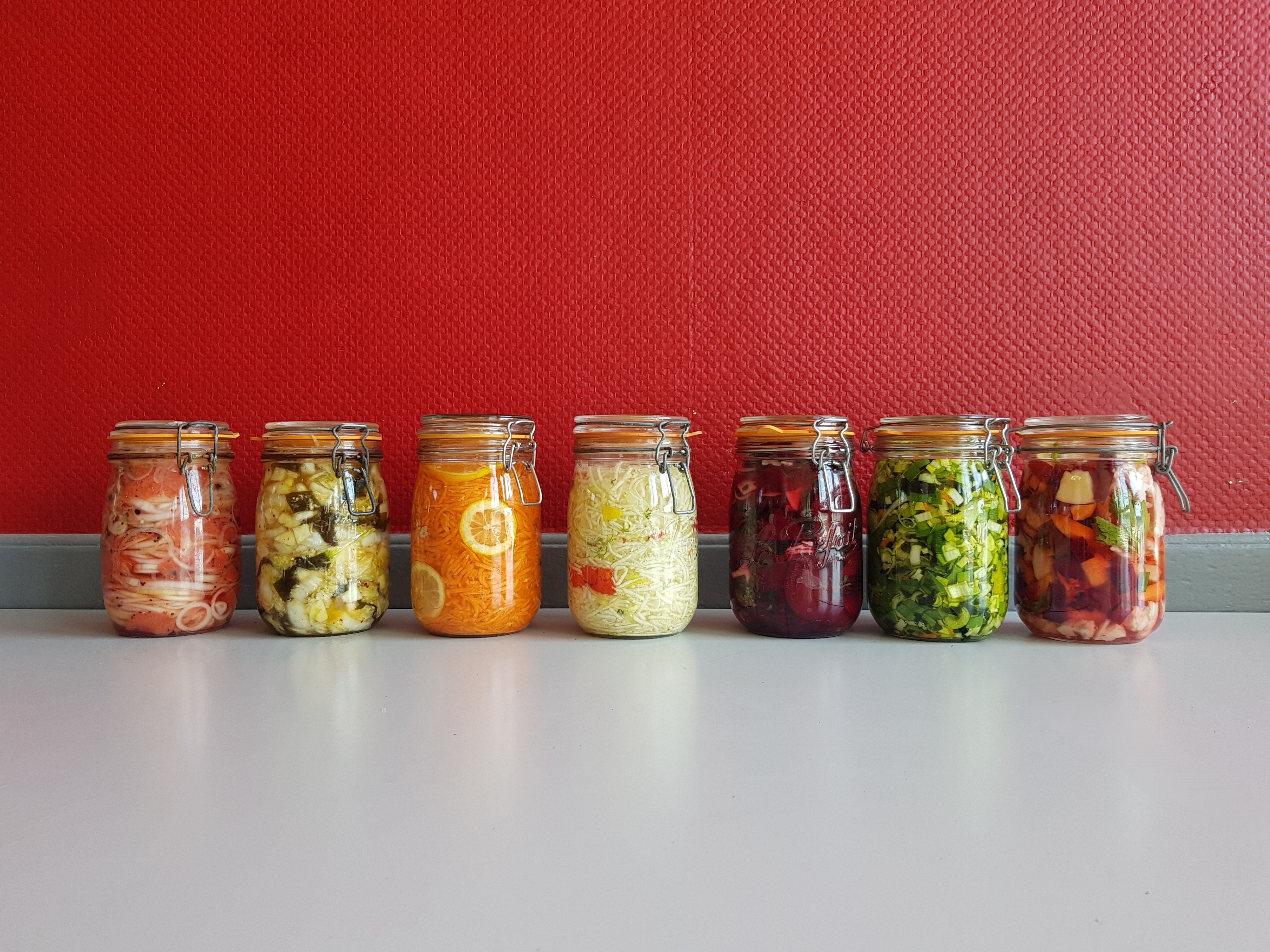
Getting started with fermentation: everything you need to know to get started with peace of mind
Who has never backed away from a jar of homemade sauerkraut, intimidated by those mysterious bubbles and that tangy smell? Rest assured: fermentation is undoubtedly the simplest, safest and oldest preservation method available. No need for complicated equipment or a...
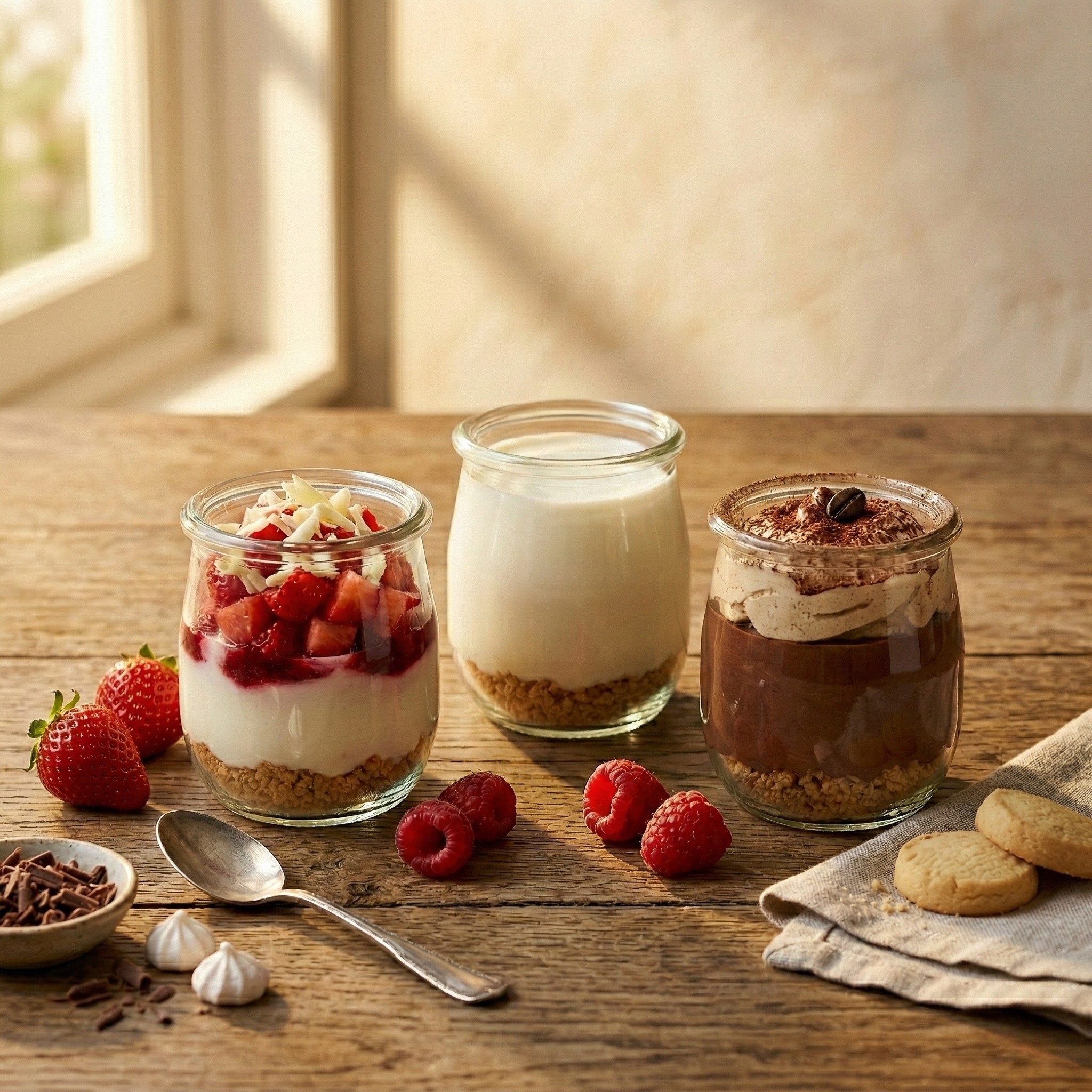
How to make yogurt without a yogurt maker in 6 steps?
You want to start making your own first homemade yogurts, but you don’t have a yogurt maker? Before investing, do you want to be sure that you are really going to do it? We understand you! Here is our complete...
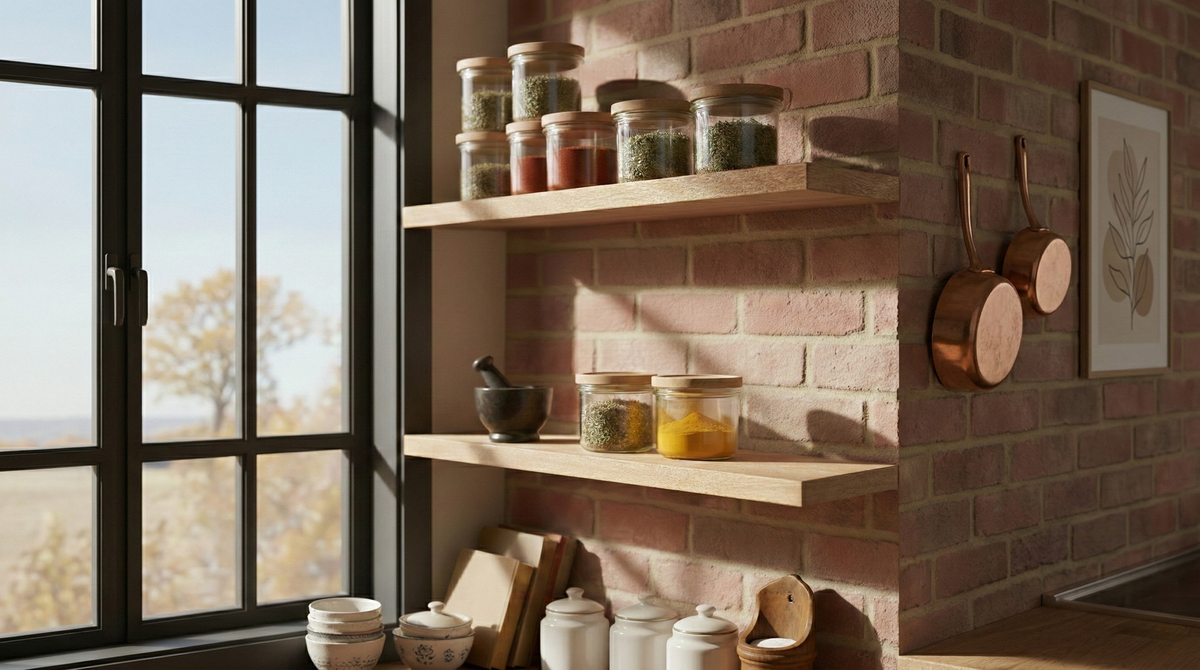
For spices and bulk, the glass jar Le Parfait Wood Edition
Rediscover the pleasure of orderly and inspiring cooking! No more cluttered cupboards, no more bags of spices and packets of pasta who pile up and disembowel themselves. With the new bocal Le Parfait Wood Edition, your shelves are transformed into a real little grocery store with authentic charm. Alliant the...